DeGregorio Family Foundation Grant Recipients
2024 – 2025
$75,000, up to $500,000
Depending on results
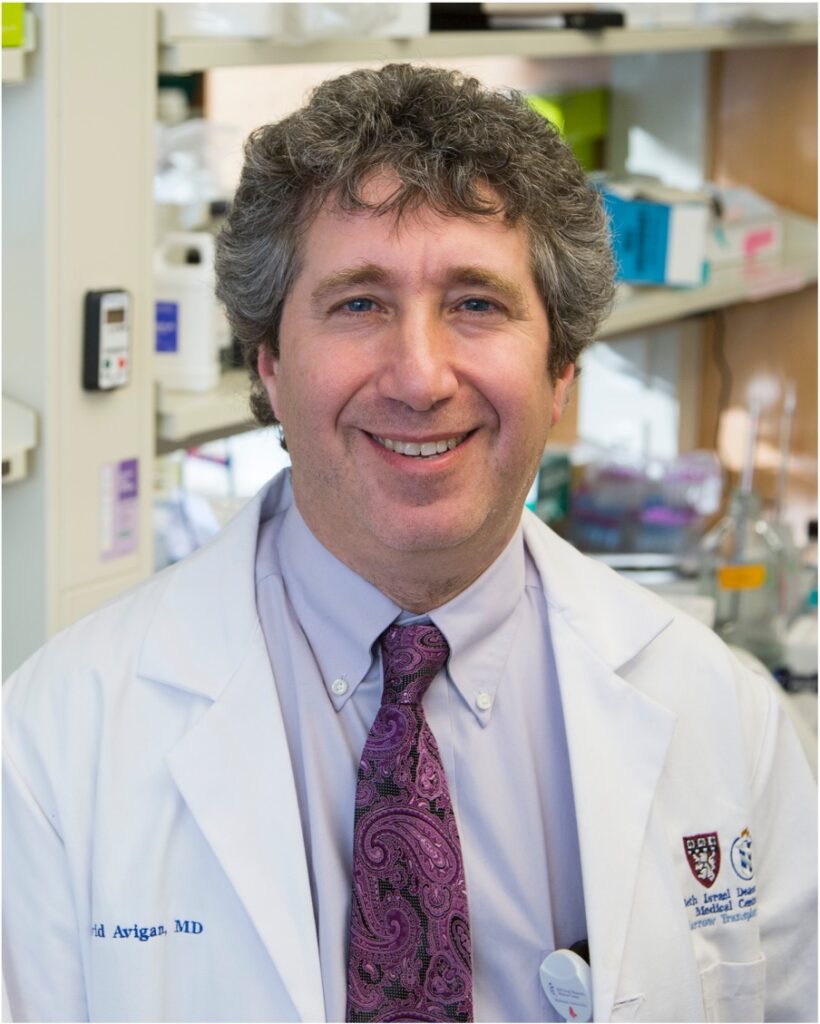
David E. Avigan, MD
Beth Israel Deaconess Medical Center Harvard Medical School Development of a personalized dendritic cell/organoid based vaccine for the treatment of Gastric Cancer”
Download the press release PDF.
2024 – 2025
$200,000, up to $500,000
Depending on results
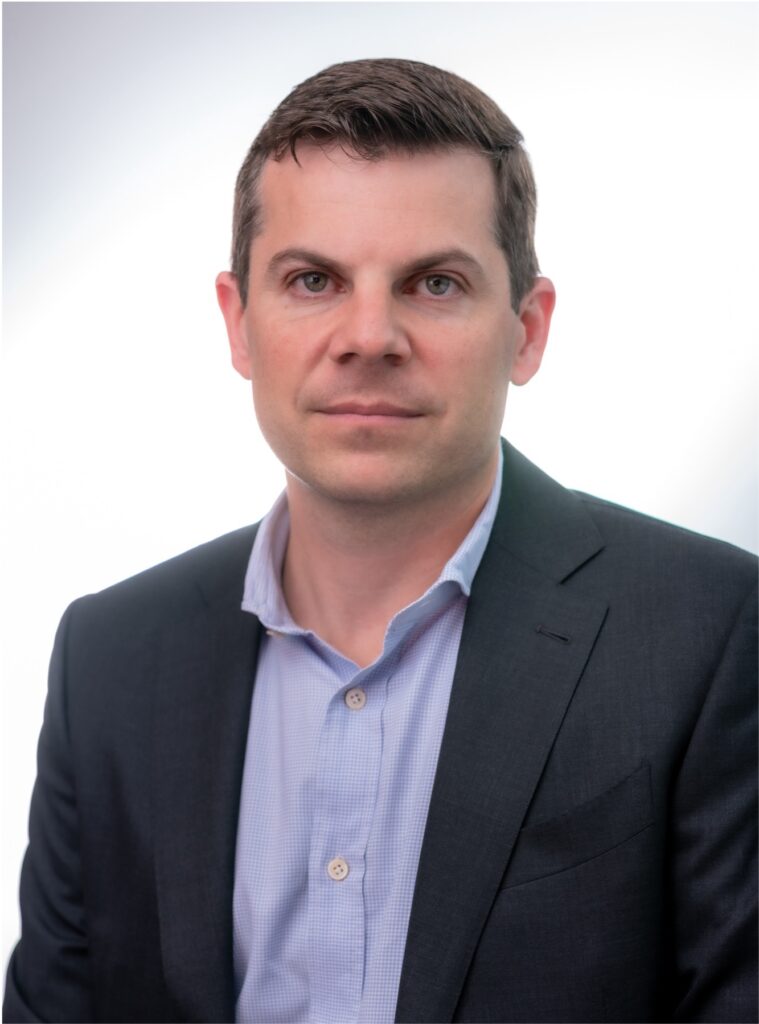
Eric S. Fischer, PhD
Dana-Farber Cancer Institute
New targets for molecular glue degraders in gastroesophageal cancer
Download the press release PDF.
2023 – 2025
$175,000
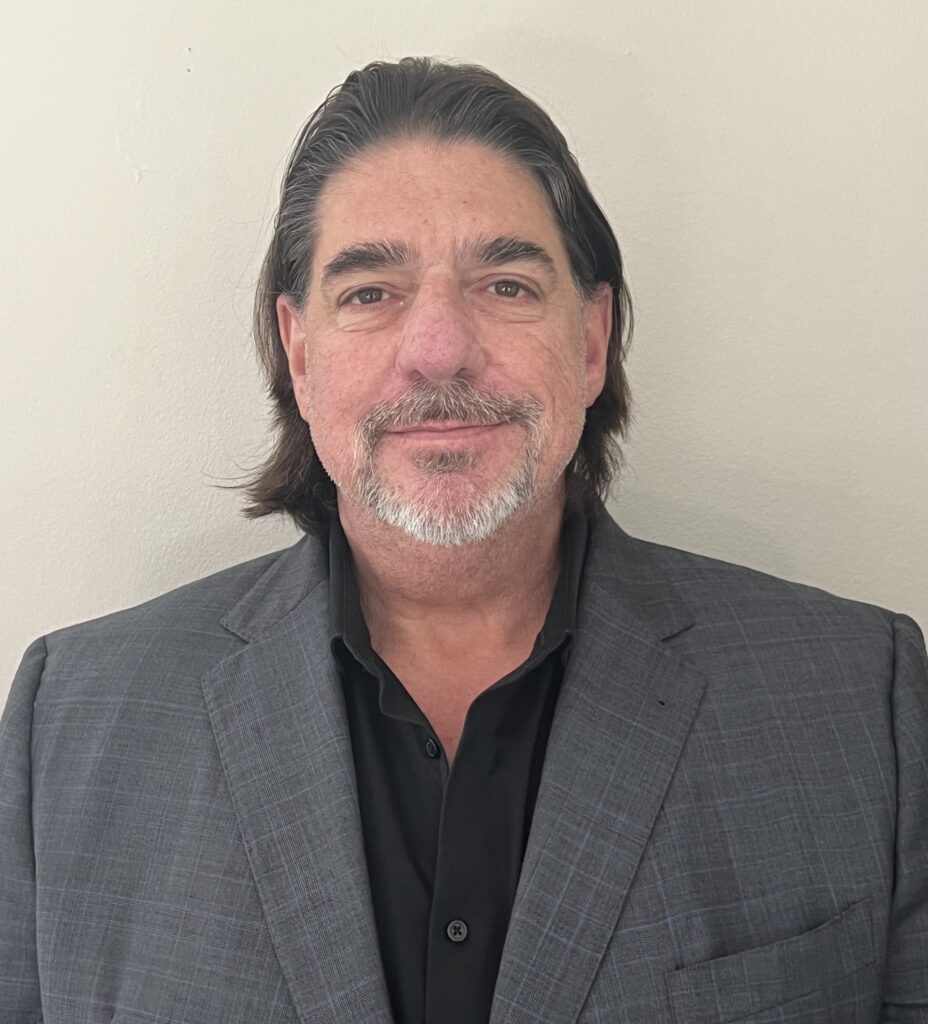
Anthony Capobianco, PhD
The DeWitt Daughtry Family Department of Surgery and the Sylvester Comprehensive Cancer Center at the University of Miami Miller School of Medicine
Targeting cancer stem cell populations by dual inhibition of Notch and Wnt pathways
Download the press release PDF.
2023 – 2025
$150,000
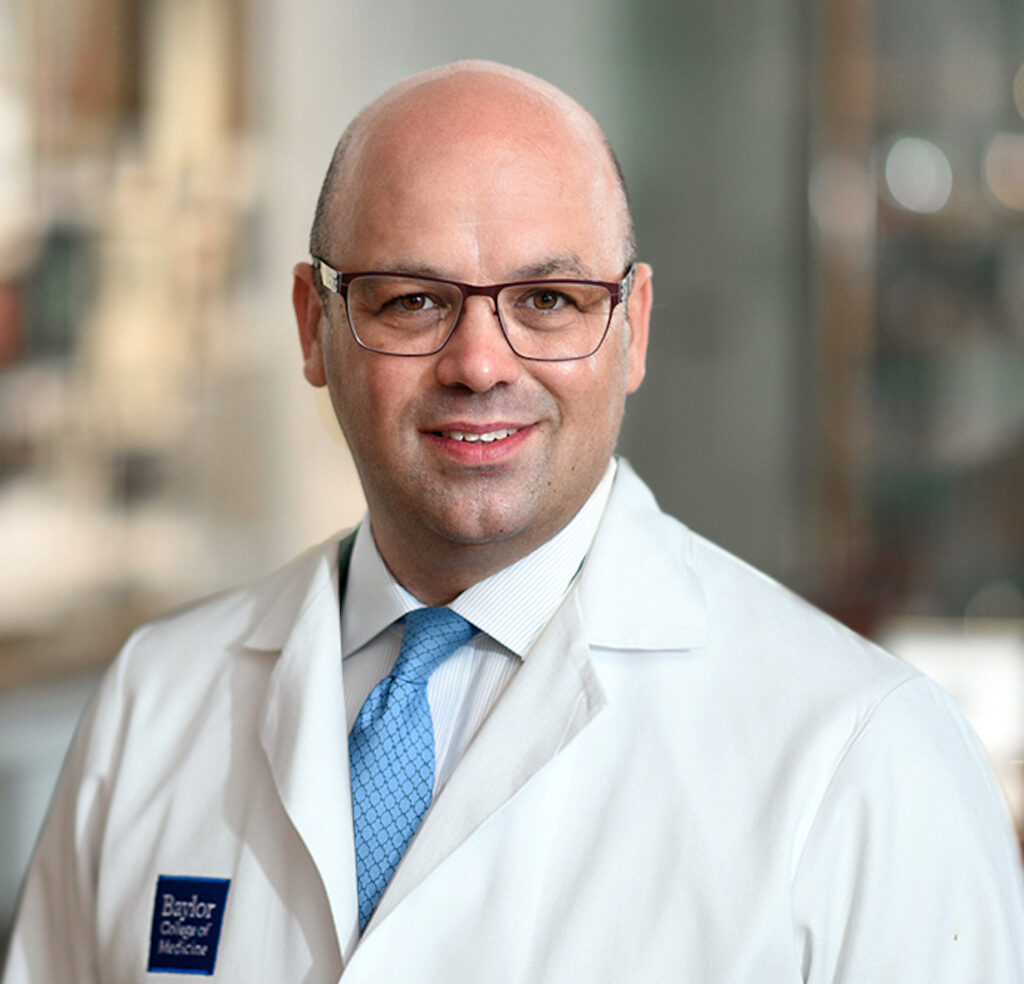
R. Taylor Ripley, MD
Baylor College of Medicine
Targeting Mitochondrial Resistance to Apoptosis after Neoadjuvant Therapy in Esophageal Adenocarcinoma
Download the press release PDF.
2022 – 2025
$250,000
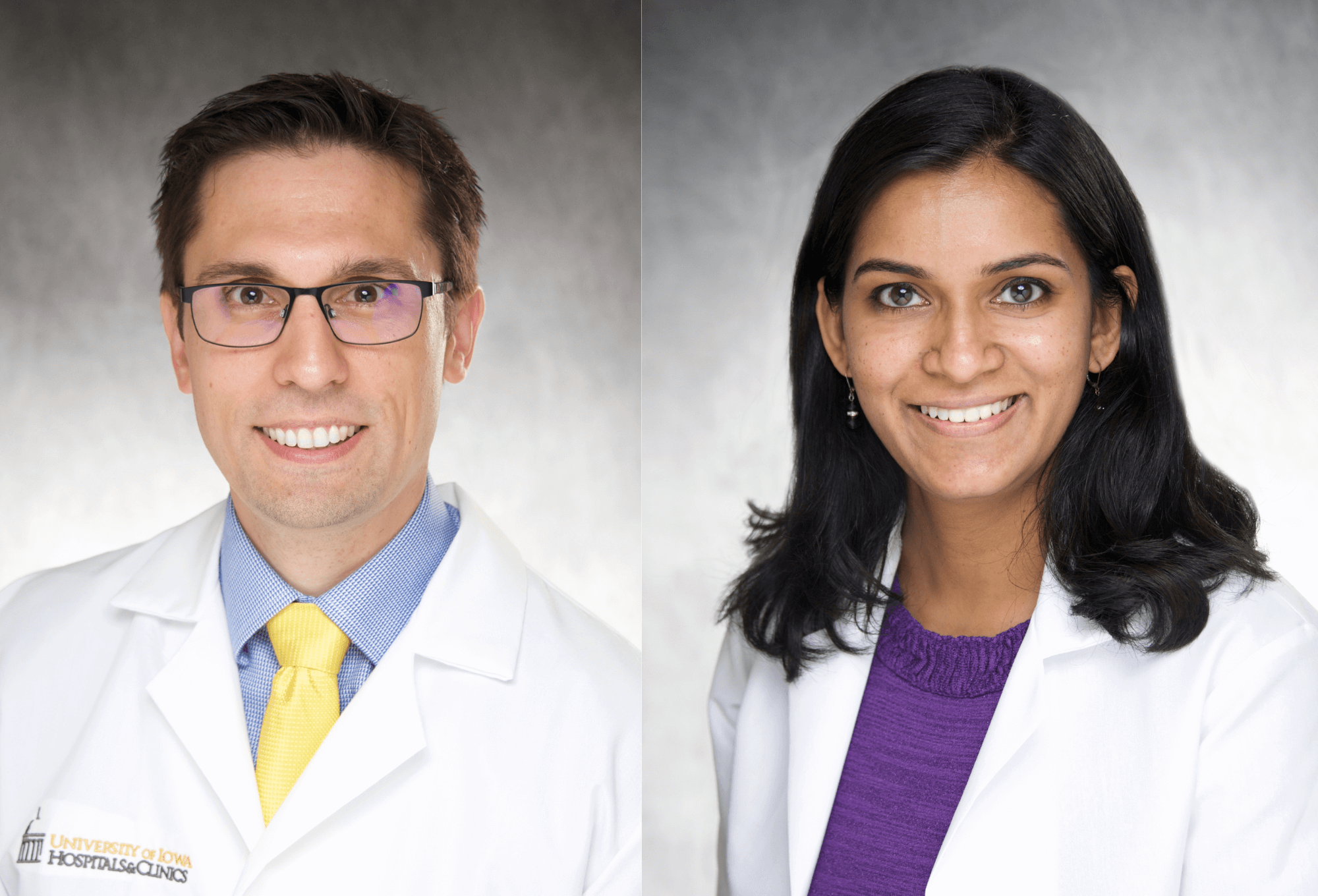
Joseph Caster, MD, PhD Chandrikha Chandrasekharan, MD
The University of Iowa
Manipulating redox metabolism with pharmacologic ascorbate and superoxide dismutase mimetics to enhance the efficacy of chemoradiation for locally advanced esophageal adenocarcinoma
Download the press release PDF.
2022 – 2025
$1 million
Saar Gill, MD, PhD
University of Pennsylvania
Chimeric antigen receptor (CAR) macrophages for the treatment of gastroesophageal cancer
Download the press release PDF.
2022 – 2025
$1 million
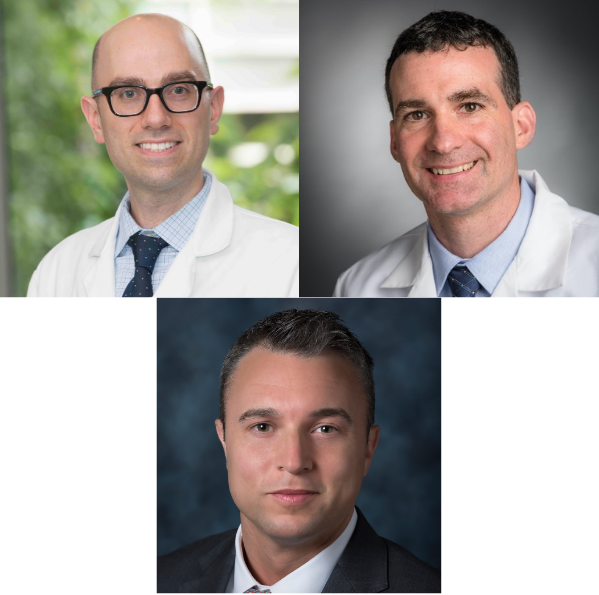
Eric Smith, MD, PhD,
Andrew Aguirre, MD, PhD
Dana-Farber Cancer Institute
Sam Klempner, MD
Massachusetts General Hospital
Dual-targeted CAR T cell strategy to enhance the durability of adoptive cellular therapy for gastric/esophageal cancers
Download the press release PDF.
2023 – 2025
$250,000
Paraskevi Giannakakou, PhD
Weill Cornell Medicine
Targeting the novel MT +TIP variant CLIP-170S to reverse taxane resistance in Gastroesophageal Cancer
Download the press release PDF.
2022 – 2023
$175,000
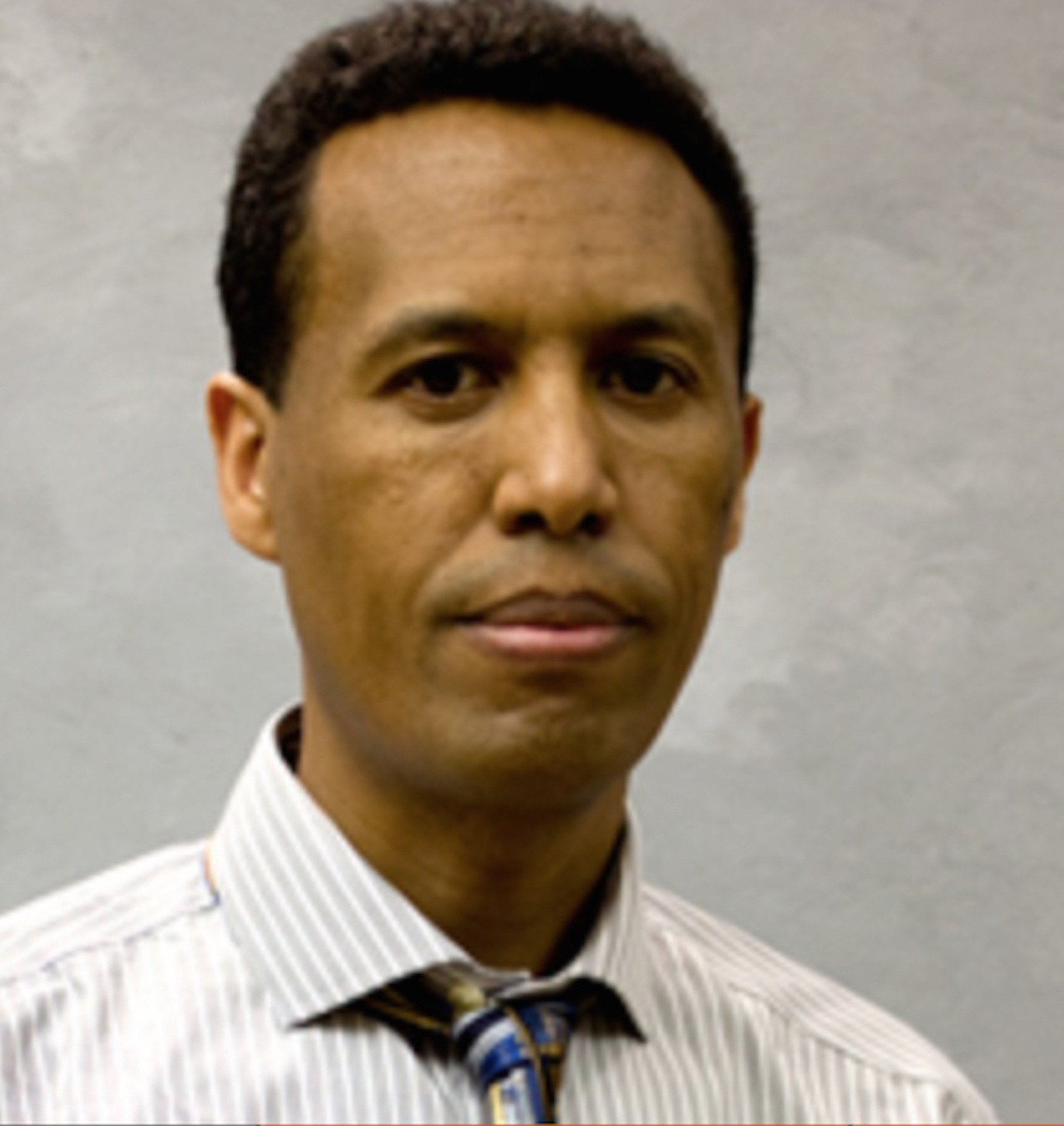
Dawit Kidane-Mulat, PhD
College of Pharmacy, The University of Texas at Austin
Harnessing DNA Damage Response to Enhance Immunotherapy Response in XRCC1 Deficient Stomach Cancer
Download the press release PDF.
2021 – 2022
$250,000
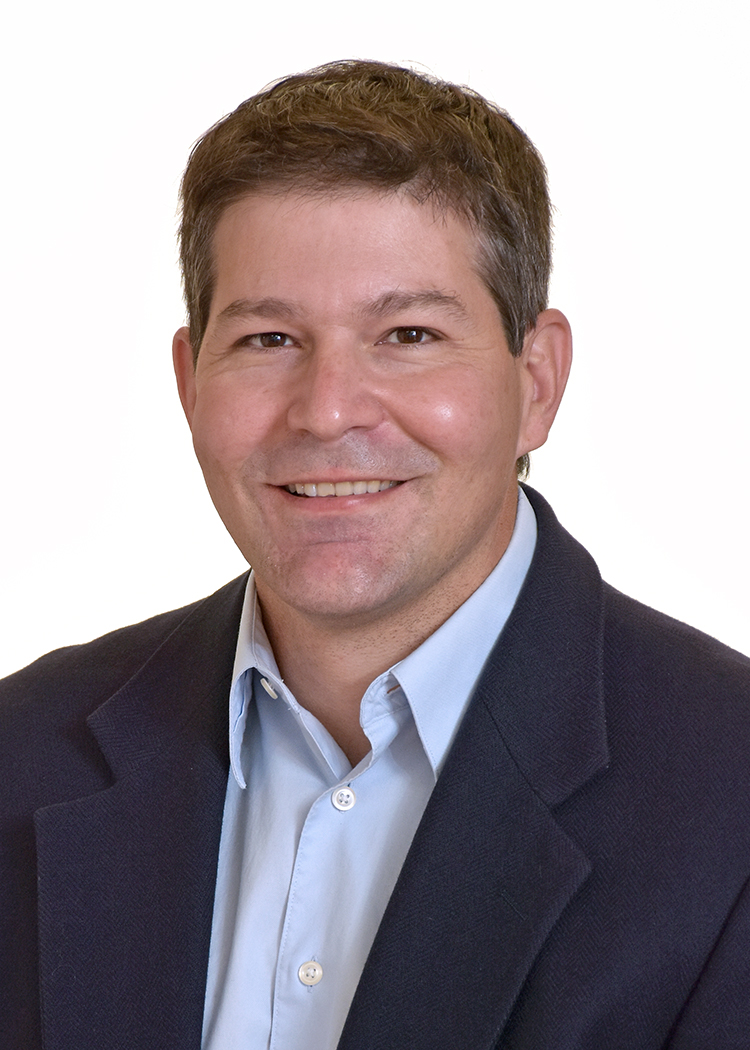
Neil J. Ganem, PhD
Boston University School of Medicine
Defining gene dependencies in whole-genome doubled esophageal adenocarcinomas
Download the press release PDF.
2021 – 2022
$250,000
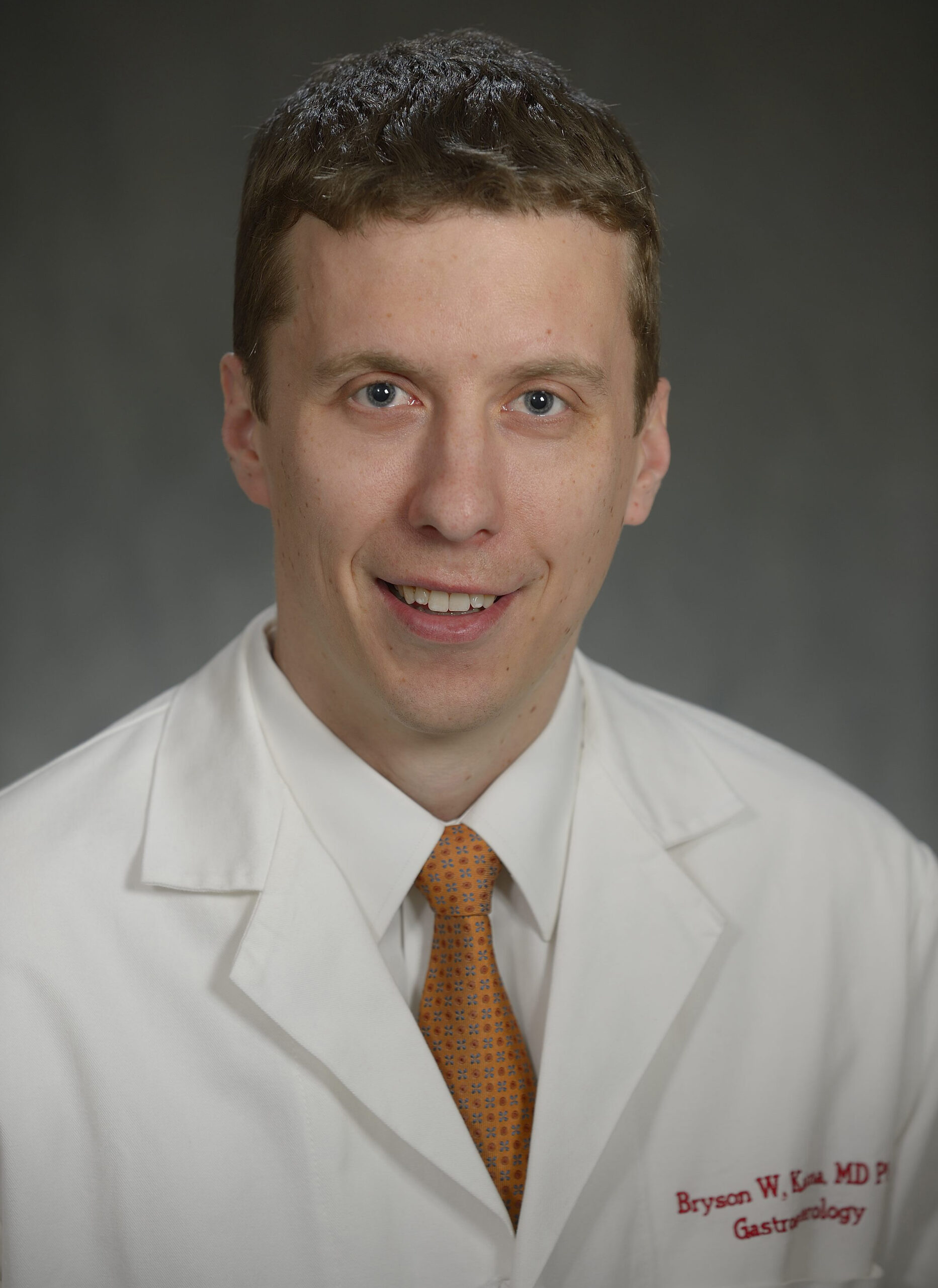
Bryson Katona, MD, PhD
University of Pennsylvania Perelman School of Medicine.
Defining the phenotype and cancer penetrance of CTNNA1 loss-of-function germline variants
Download the press release PDF.
2021-2022
$230,000
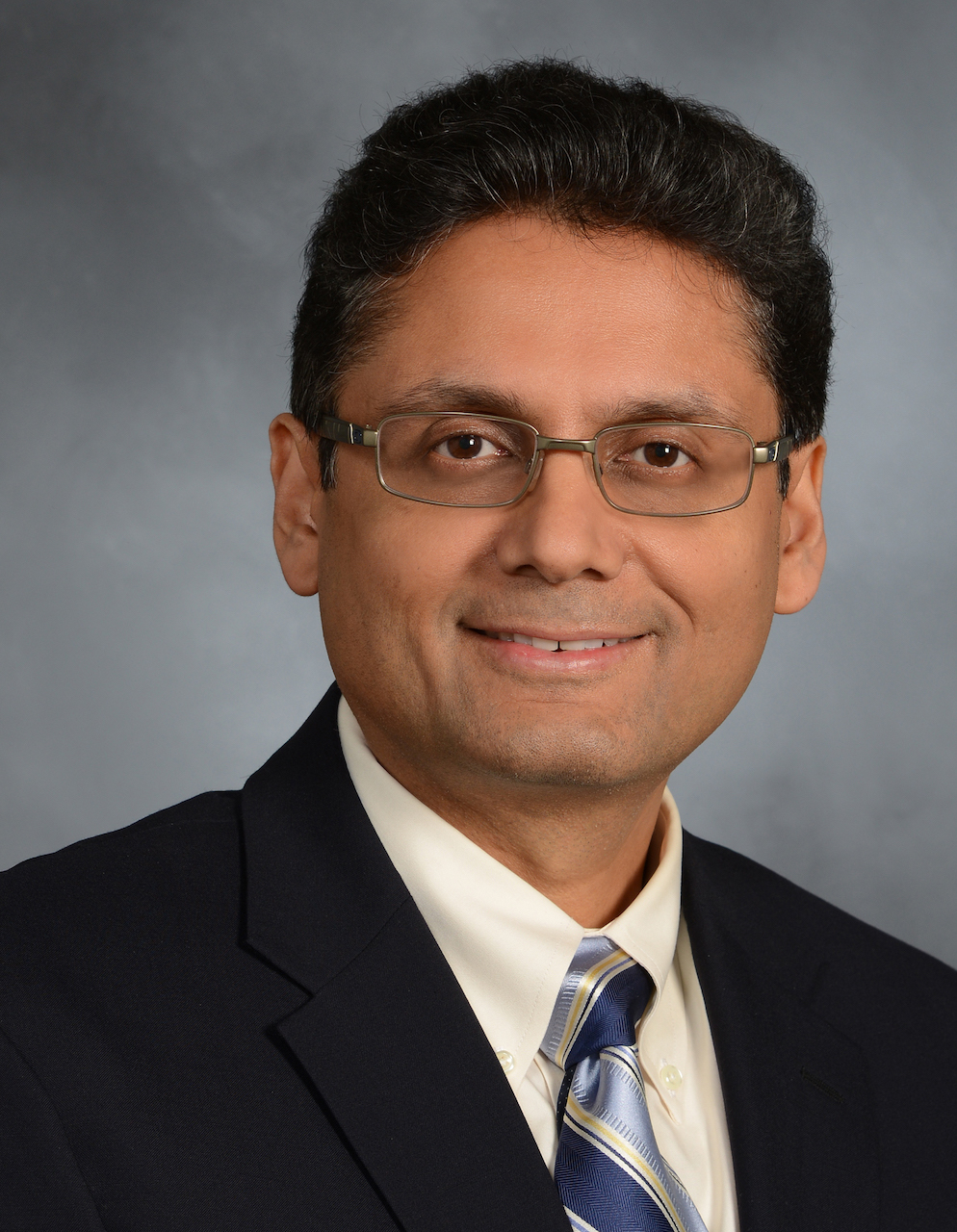
Manish Shah, MD
Weill Cornell Medicine
Personalized drug development in gastroesophageal cancer with high-throughput drug screening of tumor-derived organoids
Follow-on Funding*: Anonymous: $3,314.581 (with team)
Download the press release PDF.
2021-2022
$200,000
Nilay Sethi, MD, PhD
Dana-Farber Cancer Institute
Therapeutic potential of DNA damage response inhibitors in gastroesophageal cancers
Download the press release PDF.
2020-2021
$150,000
Yan-Yi Jiang, PhD
H. Phillip Koeffler, MD
Cedars-Sinai Medical Center
Master transcription factor-TP63 governs immune evasion of esophageal squamous cell carcinoma
Read the press release.
Download the press release PDF.
2020-2021
$200,000
Kishore Guda, DVM, PhD
Case Western Reserve University
Oncogenic TGFβ signaling as a new molecular paradigm and therapeutic vulnerability in esophageal cancer
Follow-on Funding: Anonymous $447,170
Read the press release.
Download the press release PDF.
2019-2020
$200,000
Stephen Meltzer, MD
Johns Hopkins University, School of Medicine
Johannes Carolus (Hans) Clevers, MD, PhD
Princess Maxima Center of Pediatric Oncology
Create tumor organoids (miniaturized and simplified versions of organs) that replicate the tumor in a petri dish.
Read the press release.
2018-2019
$175,000
Adam Snook, PhD
Sidney Kimmel Cancer Center/Medical College
Study the effectiveness of CAR-T therapy as a treatment for gastroesophageal cancers
Follow-on Funding: Department of Defense $1,360,616
Read the press release.
2018-2019
$175,000
De-Chen Lin, PhD
Cedars-Sinai Department of Medicine
Follow-on Funding: Cedars-Sinai $75K, Alan B. Slifka Foundation: $260K; Department of Defense: $819,100, NIH $1,325,500, Cedars-Sinai $200K, Cedars-Sinai $100K
Publications:
Gut: “Master transcription factors form interconnected circuitry and orchestrate transcriptional networks in esophageal adenocarcinoma”
Nature Communications: “Co-activation of super-enhancer-driven CCAT1 by TP63 and SOX2 promotes squamous cancer progression”
Gastroenterology: “Super-Enhancer-Driven Long Non-Coding RNA LINC01503, Regulated by TP63, Is Over-Expressed and Oncogenic in Squamous Cell Carcinoma”
Nature Communications: “Interplay and cooperation between SREBF1 and master transcription factors regulate lipid metabolism and tumor-promoting pathways in squamous cancer”
Computational and Structural Biotechnology Journal: “Super-enhancer-mediated core regulatory circuitry in human cancer”
Nature Communications: “A pan-cancer analysis of CpG Island gene regulation reveals extensive plasticity within Polycomb target genes”
Cancer Research: “A transcriptional regulatory loop of master regulator transcription factors, PPARG, and fatty acid synthesis promotes esophageal adenocarcinoma”
Gastroenterology: “TP63, SOX2, and KLF5 Establish a Core Regulatory Circuitry That Controls Epigenetic and Transcription Patterns in Esophageal Squamous Cell Carcinoma Cell Lines”
Read the press release.
2017-2018
$175,000
Anisa Shaker, MD
Keck School of Medicine, USC
Human esophageal myofibroblast paracrine regulation of esophageal inflammation and carcinogenesis
Follow-on Funding: NIH $1.25M
Publications:
Scientific Reports: “Human esophageal myofibroblast secretion of bone morphogenetic proteins and GREMLIN1 and paracrine regulation of squamous epithelial growth”
2016-2017
$180,000
William Grady, MD
Fred Hutchinson Cancer Research Center
Screening study to better identify people at the highest risk for the most common form of esophageal cancer
Follow-on Funding: NIH $322,525, NIH $813,695; NIH $724,025, Evergreen Fund $50,000, Prevent Cancer Foundation $100,000
Publications:
PLoS Computational Biology: “A Molecular Clock Infers Heterogeneous Tissue Age Among Patient’s With Barrett’s Esophagus”
Clinical Epigenetics: “Identification of a key role of widespread epigenetic drift in Barrett’s esophagus and esophageal adenocarcinoma”
Clinical Epigenetics: “Global DNA methylation patterns in Barrett’s esophagus, dysplastic Barrett’s, and esophageal adenocarcinoma are associated with BMI, gender, and tobacco use”
Gut: “Genome-wide methylation analysis reveals methylation subtypes of Barrett’s esophagus and esophageal adenocarcinoma”
Digestive Diseases and Science: “The Molecular Evolution of Metaplasia to Carcinoma in the Esophagus”
Blood: “Gene Expression-Based Discovery of Atovaquone as a STAT3 Inhibitor and Anti-Cancer Agent”
Clinical Cancer Research: “Novel Barrett’s Esophagus Screening Assays Based on Swallowable Devices: Will They Change the Game?”
Read the research details.
2016-2017
$215,000
Ellen Beswick, PhD
University of New Mexico (currently at University of Utah)
Targeting MK2 for Treatment of Gastric Cancer
Follow-on Funding: NIH $228,750, Anonymous $600,000
Publications:
Journal of Translational Medicine “The MK2 pathway is linked to G-CSF, cytokine production and metastasis in gastric cancer: a novel intercorrelation analysis approach”
Read the research details.
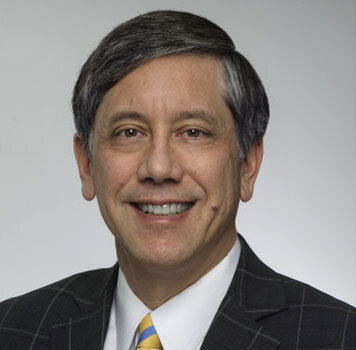
2015-2016
$200,000
Adam Bass, MD, Dana Farber Cancer Institute (currently at Columbia University)
Timothy Wang, MD, Columbia University
The role of Novel RHO Pathway Genomic Alterations in DGC
Follow-on Funding: $75K Department of Defense for a Fellow, NIH ~$2.2 million, Debbie’s Dream $50,000, Anonymous $999,094, The V Foundation for Cancer Research $600K
Read the research details.
2014-2015
$200,000
Phillip D. Smith, MD
University of Alabama, Birmingham
Elucidating Protective Mechanisms Against Gastric Cancer
Follow-on Funding: NIH $275K, NIH $1.25M, Veterans Affairs: $600K
Publications:
Mucosa Immunology: “Helicobacter pylori infection is associated with an altered gastric microbiota in children”
Gastroenterology: “Eradication of the Helicobacter pylori in Children Restores the Structure of the Gastric Bacterial Community to That of Noninfected Children”
Journal of Biological Chemistry: “Modulation of glycosyltransferase ST6Gal-I in gastric cancer-derived organoids disrupts homeostatic epithelial cell turnover” Current Opinion in Physiology: “Interaction between H. pylori and the Gastric Microbiome: Impact on Gastric Homeostasis and Disease”
Read the research details.
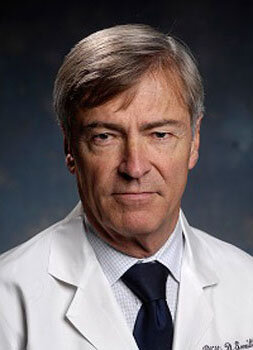

2013-2014
$225,000
Tony Godfrey, MD
Boston University
Evaluating the Feasibility of a Molecular Cytology Approach for Management of Patients with Barrett’s Esophagus (BE)
Follow-on Funding: NIH: $5M
Publications:
Clinical Gastroenterology: “Combined EsophaCap Cytology and MUC2 Immunohistochemistry for Screening of Intestinal Metaplasia, Dysplasia and Carcinoma”
Surgical Clinics of North America: “The Molecular Biologic Basis of Esophageal and Gastric Cancers”
Read the research details.
2012-2013
$220,000
Theresa Pizarro, PhD
Case Western Reserve
Role of the Novel IL-1 Family Member, IL-33 in the Gastric-Metaplasia Carcinoma Sequence
Read the research details.
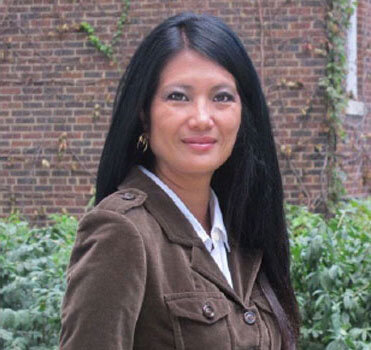
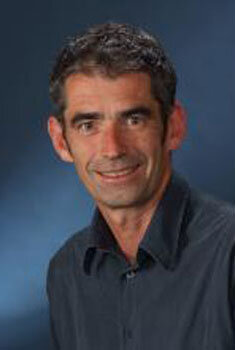
2012-2013
$20,000
Parry Guilford, MD
University of Otago
Identification of New Drugs for the Treatment and Prevention of Diffuse Gastric Cancer Using a High Throughput Compound Screening Approach
Follow-on Funding: $1M
Publications:
“Synthetic Lethal Screens Identify Vulnerabilities In GPCR Signaling and Cytoskeletal Organization in E-Cadherin-Deficient Cells”
Read the research details.
2011-2012
$165,000
David Frank MD, PhD
Dana Farber Cancer Institute
Targeting Gastroesophageal Cancer through Dual Transcription Inhibitors
Follow-on Funding: NIH $6 million, in collaboration with Drs. Bass and Rustgi at University of Pennsylvania, Anonymous $196,300
Publications:
Molecular Cell: “Fold Change of Nuclear NF-IB Determines TNF-Induced Transcription in Single Cells”
Current Opinion in Oncology: “Targeting Transcription Factors: Promising New Strategies for Cancer Therapy”
Molecular Cancer Research: “STAT3 modulates NF-kB activity by upregulating negative regulators of NF-kB: Rationale for combination therapy targeting oncogenic transcription factors”
“IL-6 mediates cross-talk between activated fibroblasts and tumor cells in the tumor microenvironment: applications in therapeutic intervention”
Read the research details.
2011-2012
$100,000
Manish Shah, MD
Weill Cornell Medical College
The Next Generation Sequencing to Evaluate Transcriptomic Changes Associated with H. Pylori Infection and Gastric Cancer Carcinogenesis
Follow-on Funding: $100K Advanced Digestive Care, 996k Starr Foundation Dr. Shah as principal investigator with collaboration from Dr. Adam Bass, Broad Institute, and Dr. Eric Pamer, MSKCC
Publications:
”Identification of the Gastric Microbiome samples from using whole genomic sequencing”
Read the research details.
2009-2010
$100,000
Matthew Meyerson, MD, PhD and Dr. Adam Bass, MD (Dr. Bass currently at Columbia University)
Dana Farber Cancer Institute
Research to conduct investigations into the genes and the genetic differences which are drivers of esophageal cancer
Follow-on Funding: NHGRI ~$1 million, ~1.2 million, ACS ~$660,000, ~$2 million
Publications:
Cancer Research: “Gastrointestinal Adenocarcinomas of the Esophagus, Stomach and Colon Exhibit Distinct Patterns of Genome Instability and Oncogenesis”
Nature Genetics: “Exome and Whole Sequencing of Esophageal Adenocarcinoma identifies recurrent driver events and mutational complexity”
Read the research details.

2006 – 2009
$500,000
Memorial Sloan Kettering Cancer Center
Early Onset and Familial Gastric Cancer Registry
Follow-on Funding: $408K
Read the research details.
*Follow-on funding is additional funding at a later stage.